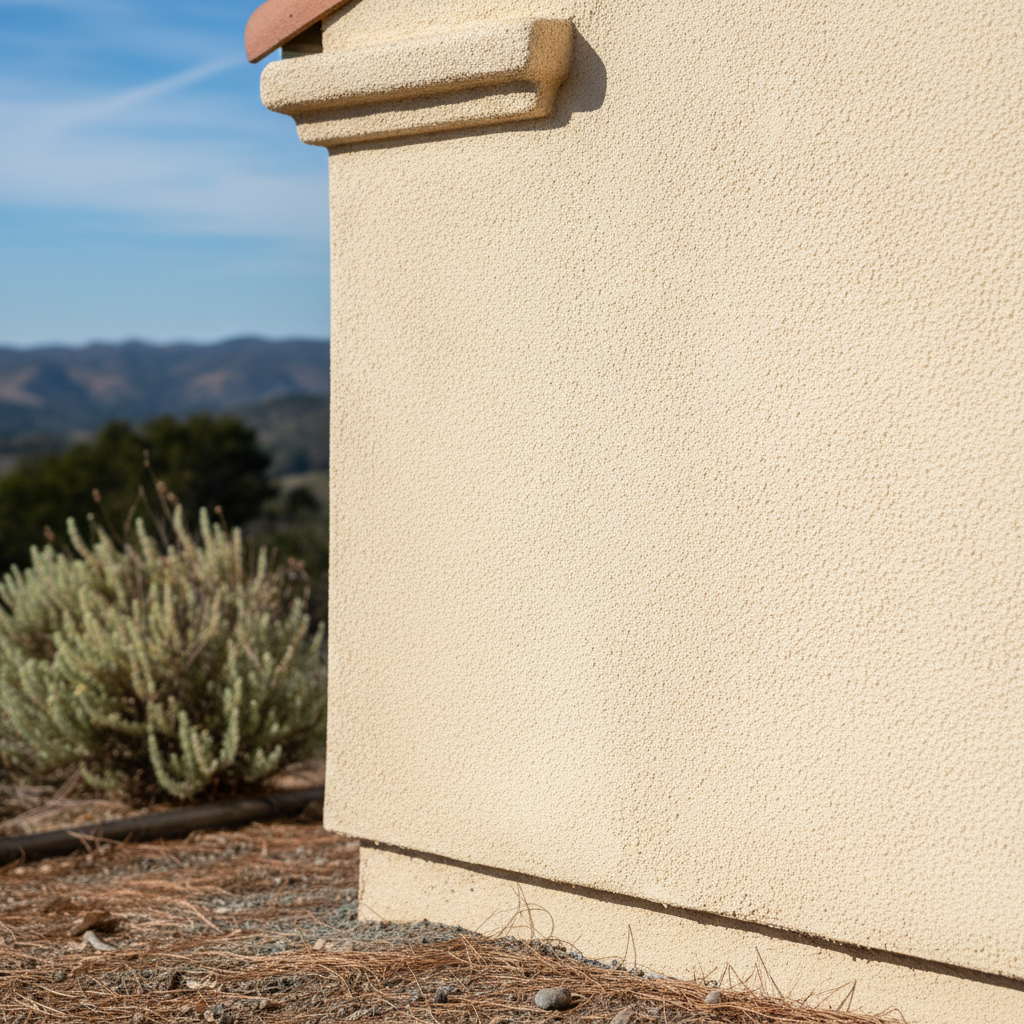
Alright, let's cut to the chase. I've been working on stucco homes here in Carmel Valley for years, and honestly, I hear a lot of the same questions from homeowners. You see a crack, or some discoloration, and suddenly you're wondering what's really going on. It's totally normal to be concerned; your home's a big investment, after all, and its exterior is its first line of defense. So, I figured I'd put together some straight answers to the most common stucco repair questions I get. No fluff, just what you need to know.
What's the biggest cause of stucco problems around here?
Honestly? It's usually water. That might sound obvious, but people often underestimate just how sneaky water can be. We get those marine layer fogs rolling in off the coast, then the occasional heavy rain, and if your stucco isn't sealed right or if there are cracks, that moisture *will* find its way in. Once water gets behind the stucco, it can cause all sorts of headaches – rot, mold, efflorescence, you name it. I've seen it a hundred times, especially on homes where the stucco goes all the way to the ground without a proper weep screed, or around windows and doors where flashing wasn't done correctly. Sometimes it's just normal wear and tear, sure, but more often than not, water's the real culprit.
How do I know if a crack is serious or just cosmetic?
That's a great question, and it's one I get all the time. Not every crack means your house is falling apart, but you shouldn't just ignore them either. Here's a quick rundown:
- Hairline cracks: These are usually pretty thin, like a strand of hair. They're often just surface-level shrinkage cracks from the stucco drying, or minor thermal expansion and contraction. They don't usually let in much water, but they can be a sign of things to come. I'd still keep an eye on them.
- Spiderweb or alligator cracks: These look like a whole network of fine cracks. They're usually cosmetic, often caused by the top coat drying too fast or being applied too thin. Again, not usually a structural issue, but they can let in moisture over time.
- Step cracks: These follow the mortar joints in the block or brick behind the stucco. They can indicate foundation movement, which is a much bigger deal. If you see these, you definitely want a professional to take a look.
- Vertical or horizontal cracks (wider than 1/8 inch): These are the ones that make me nervous. If you can stick a credit card into the crack, it's probably letting in a good amount of water. These can be due to structural issues, settling, or significant impact. Don't wait on these; get them inspected right away.
The key is to not just look at the crack itself, but at what's around it. Any staining, bulging, or soft spots? Those are definite red flags.
Can I just patch the stucco myself?
You *can*, but I generally wouldn't recommend it for anything more than the smallest, most superficial dings. Stucco repair isn't just about slapping some new material on, you know. It's about matching the texture, the color, and making sure the underlying problem (like water intrusion) is actually fixed. If you just patch over a water issue, you're really just kicking the can down the road, and the problem will get worse behind that patch. Plus, getting a seamless, invisible repair takes skill and the right materials. A bad patch can stick out like a sore thumb and actually make your home look worse. For anything beyond a tiny chip, you're better off calling someone who knows what they're doing.
How long does a typical stucco repair take?
That really depends on the extent of the damage. A small, cosmetic patch on a wall that just needs a bit of re-texturing might take us a few hours. If we're talking about a larger section where water has gotten in, and we need to remove damaged stucco, inspect the sheathing, fix any rot, apply new lath, scratch coat, brown coat, and then the finish coat – that's a multi-day process. You've got drying times between coats, and you just can't rush that. Plus, we often have to work around the weather, especially with our coastal humidity. We always aim to be efficient, but doing it right means taking the necessary time. I'll give you a clear timeline once I've seen the job.
Will the new repair match my existing stucco color and texture?
This is probably the second most common question after